
April 21, 2025
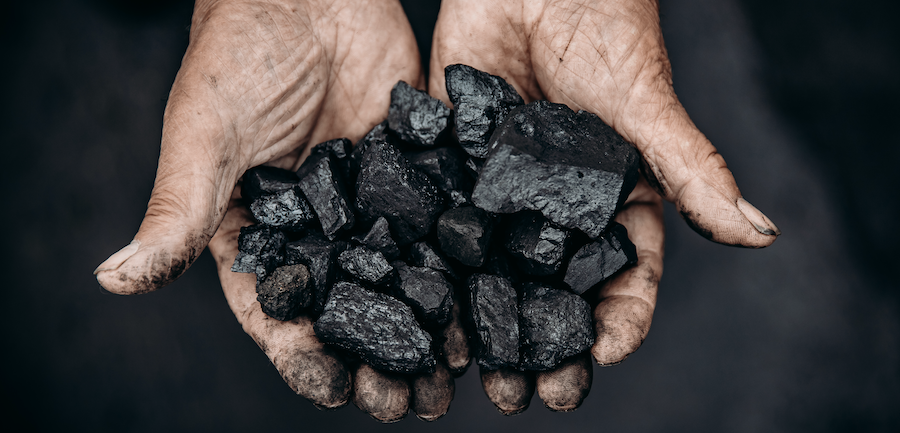
Fossil fuel generation at a historic low
Is electricity generation from fossil fuels becoming a thing of the past? The numbers certainly make it look that way. The latest edition of the Department for Energy Security and Net Zero Energy Trends report is out, making great reading for the UK renewables sector. Covering the last quarter of 2024, the report proclaims record after record. In this article, we’ll share some of the metrics that matter most, and explain how they back up
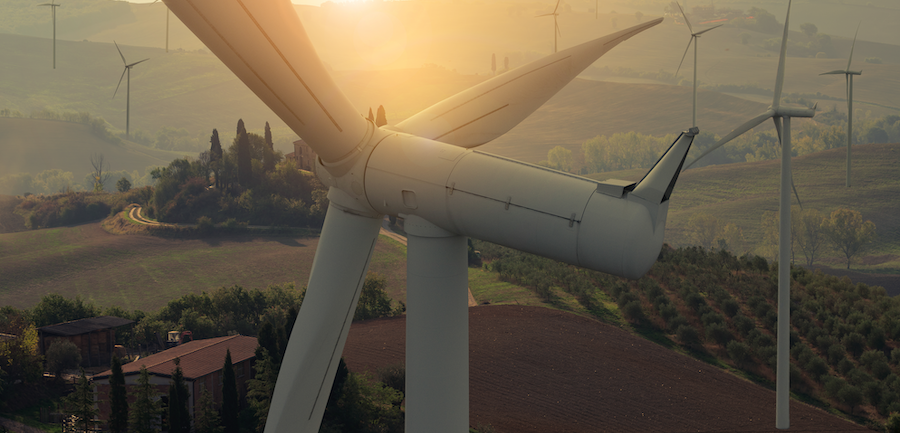
The Climate Change Committee (CCC) was set up in 2008 to help the UK’s governments (Westminster and devolved nations) tackle climate change and build a low-carbon economy. Since then, it has become a respected commentator and influential advisory body. In February 2025, it published its 7th carbon budget. It’s like a State Of The Union for the UK’s climate change space. One of the highlights of the report was a revision of its previous targets

February 15, 2025
Gas prices – and risk of blackouts – on the rise
Since Russia’s invasion of Ukraine in 2022, wholesale gas prices have been extremely volatile, at points reaching all-time price highs. There has since been a slight recovery and a bit of respite for consumers. But now, it looks like there’s more trouble ahead. In this article, we’ll explain what’s happening with gas prices at the moment and why the risk of unprecedented blackouts is closer than ever. Price cap increase The first problem is that

January 19, 2025
Solving the UK’s energy debt crisis
‘Energy debt’ is the term given to the situation when customers owe their electricity and gas suppliers money for energy they have already consumed. The recent energy price crisis, alongside a sharp rise in the general cost of living, has led to more energy debt than ever before. However, help could be at hand to consumers attempting to cope with energy arrears, as part of a broader reform of how suppliers charge their customers. In
December 15, 2024
The two-pronged approach to the UK’s nuclear power strategy
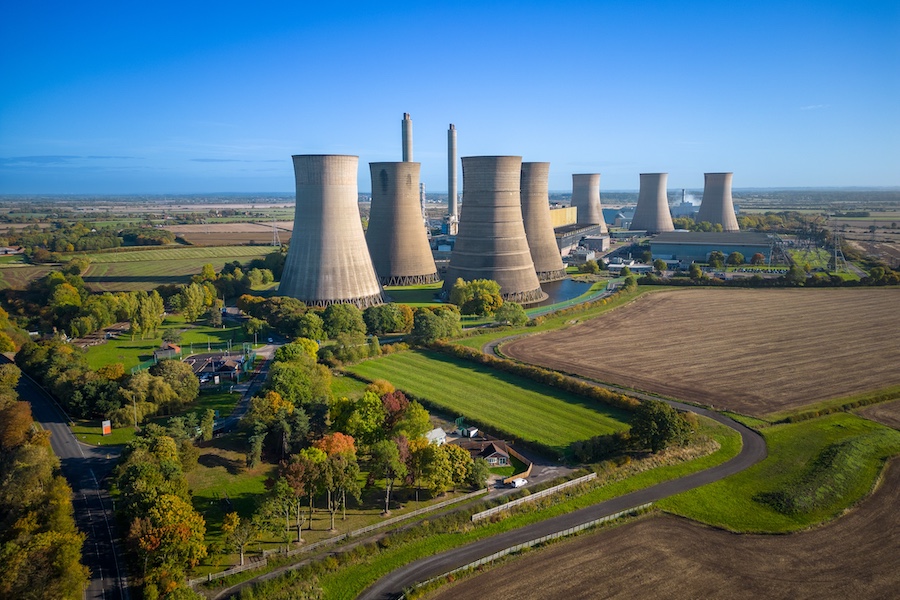
Nuclear energy has a wide range of advantages over fossil fuels. While it isn’t carbon-free, it has a much smaller carbon footprint than coal, oil and gas. While it isn’t strictly a renewable, it’s a remarkably efficient way to produce energy. What’s more, it doesn’t depend on the weather for production like wind and solar power. It should be a popular way to transition a country’s energy setup and combat climate change. Unfortunately, the UK